Fatal Car Accidents and Wrongful Death Claims: Questions Families May Face After a Tragedy
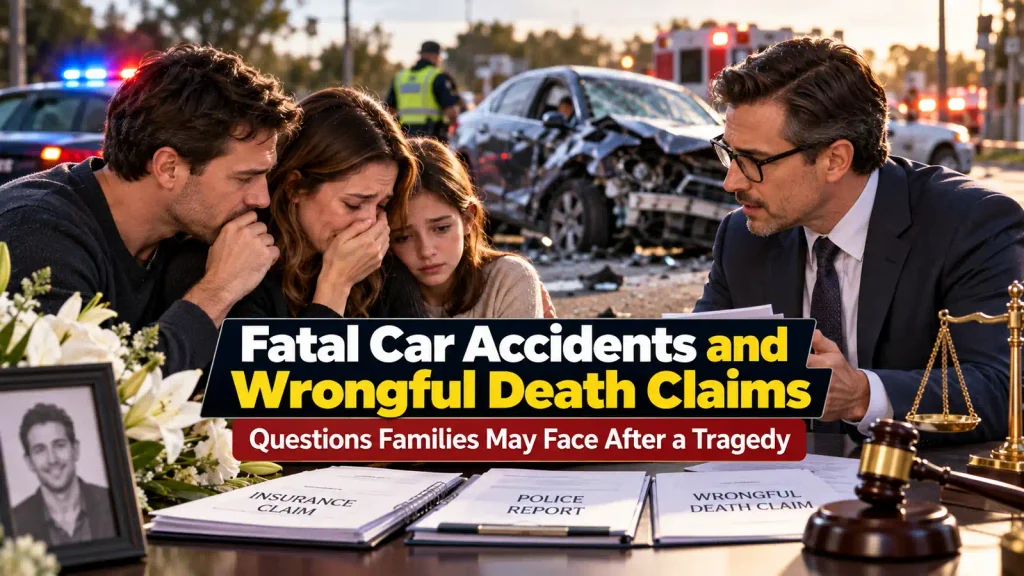
A fatal car crash brings grief, financial strain, and unanswered questions. Families must determine what happened, identify responsible parties, preserve evidence, and manage insurance communications while arranging funerals and handling household expenses. A wrongful death claim addresses losses that criminal proceedings do not, but eligibility and filing deadlines depend on state law. The steps taken soon after a crash can affect the information available for a claim later.
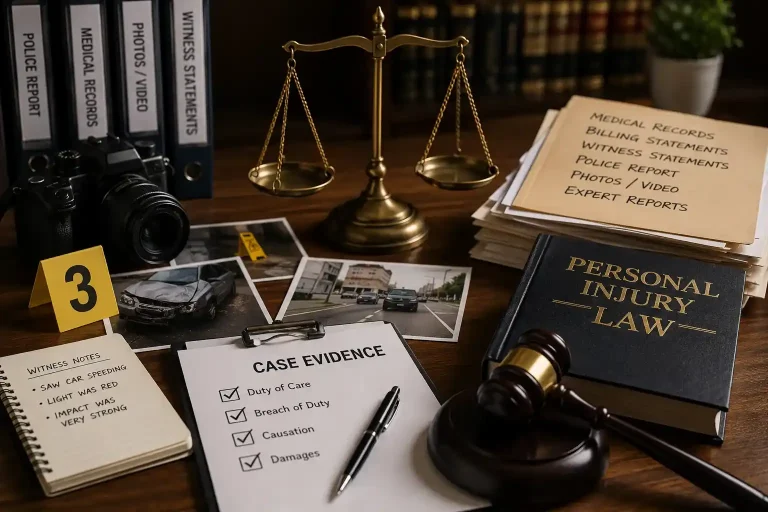
Families should preserve the police report, photographs, medical records, vehicle damage, witness contacts, and insurance letters. They should also write down what each person remembers before details fade. A New Jersey wrongful death attorney can explain which relatives may file, what damages state law permits, and which deadline applies. Early legal review also helps identify evidence held by another party.
What Does A Wrongful Death Claim Address?
A wrongful death claim is a civil action alleging that another party’s wrongful act, negligence, or misconduct caused a death. The claim remains separate from any criminal investigation, citation, or prosecution arising from the crash.
Recoverable damages depend on state law and the family member’s relationship with the deceased person. They can include funeral expenses, medical costs tied to the final injury, lost wages, lost household support, and loss of companionship. Some laws also permit damages for the deceased person’s pain before death.
Families should ask whether the case includes a survival action. That separate action preserves claims held by the deceased person before death, including injury-related losses incurred between the crash and death.
Who Could Be Legally Responsible?
The driver who caused the collision is the most obvious potential defendant, but the investigation should examine other parties. Evidence can point to a vehicle owner, an employer, a commercial carrier, or someone responsible for maintenance or supervision.
A defective tire, brake, airbag, or other vehicle component can raise a product-liability claim. Poor road design, missing warnings, or dangerous maintenance conditions can create questions involving a government entity or private property owner. Each possibility requires separate proof and different legal procedures.
Fault depends on evidence, not on the first police assumption. A traffic citation can support a civil claim, but it does not resolve every issue. Investigators examine vehicle data, road conditions, driver conduct, witness accounts, phone records, and other facts surrounding the collision.
What Evidence Should Families Protect?
Physical evidence can disappear quickly. Do not repair, sell, or salvage a damaged vehicle before qualified investigators document it. Vehicle event data can show speed, braking, steering input, seat belt use, and other information recorded before impact.
Families should obtain copies of the crash report and preserve photographs, videos, witness names, medical records, and funeral invoices. Nearby businesses, homes, traffic systems, or vehicles might hold surveillance footage, but those recordings often have limited retention periods.
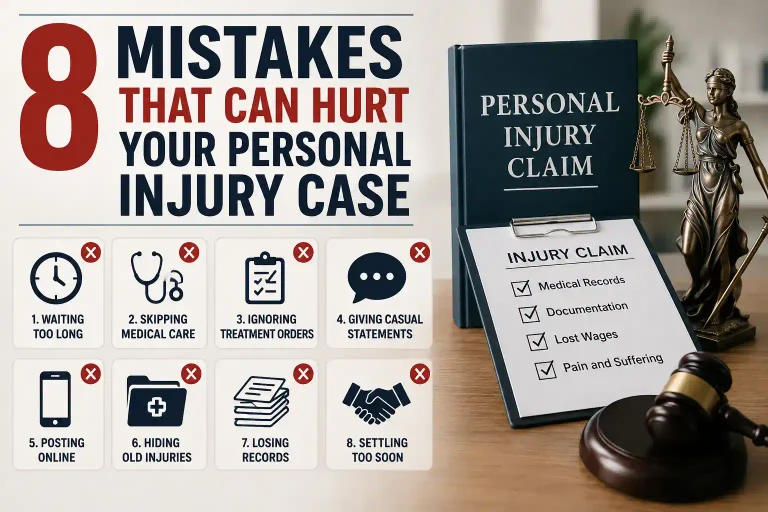
Social media posts also require care. Speculation about fault, private messages about the crash, or photographs that conflict with claimed losses can create disputes. Family members should provide insurance adjusters with accurate information, but they should avoid recorded statements or releases until they receive legal advice.
How Do Insurance Issues Affect The Claim?
Insurance companies begin evaluating liability and damages soon after a fatal crash. The at-fault driver’s policy might provide coverage, but policy limits can restrict the available amount. A deceased person’s uninsured or underinsured motorist coverage might also apply.
Families should gather every policy connected to the deceased person, the involved vehicles, and household members. They should not assume one policy is the only source of compensation. Commercial policies, umbrella coverage, and additional responsible parties can change the available recovery.
A settlement release usually ends the claims covered by that document. Signing one before the family understands medical expenses, lost income, future support, and insurance coverage can prevent later recovery. Review the documents with an attorney before accepting payment or signing anything.
Which Deadlines Apply?
Wrongful death claims have strict filing periods, and deadlines vary by state and defendant. Claims involving government entities often require earlier notice. A family should identify the applicable deadline soon after the death, because insurance negotiations do not always pause it.
Who can file also depends on state law. A surviving spouse, child, parent, estate representative, or another legally recognized beneficiary might hold the claim. Estate administration can affect how proceeds are distributed, so families should address both the civil claim and probate requirements.
Conclusion
Families should treat the first days after a fatal crash as an evidence-preservation period. They should secure reports, protect vehicles, identify witnesses, collect insurance policies, and avoid recorded statements or releases until they review the case. A prompt legal assessment can clarify who has standing, which claims apply, and when to begin action. The practical next step is to gather every crash and insurance record before meeting with qualified counsel.