How Personal Injury Attorneys Prove Fault and Liability
Fault is the legal bridge between careless behavior and physical harm. Liability determines who must answer for treatment costs, lost income, property damage, and pain. Personal injury attorneys build that bridge through records, witness accounts, expert review, and timelines. Strong claims rarely rest on one dramatic fact. They usually depend on small, consistent details that show how an unsafe choice caused real loss.
Early Case Review
The first review often decides which evidence needs urgent protection. The legal team at Anidjar & Levine may study crash reports, treatment notes, insurer letters, scene photos, and witness names to find missing pieces. Early case work helps clarify what occurred, who had control, and which facts need prompt follow-up before records vanish.
Duty of Care
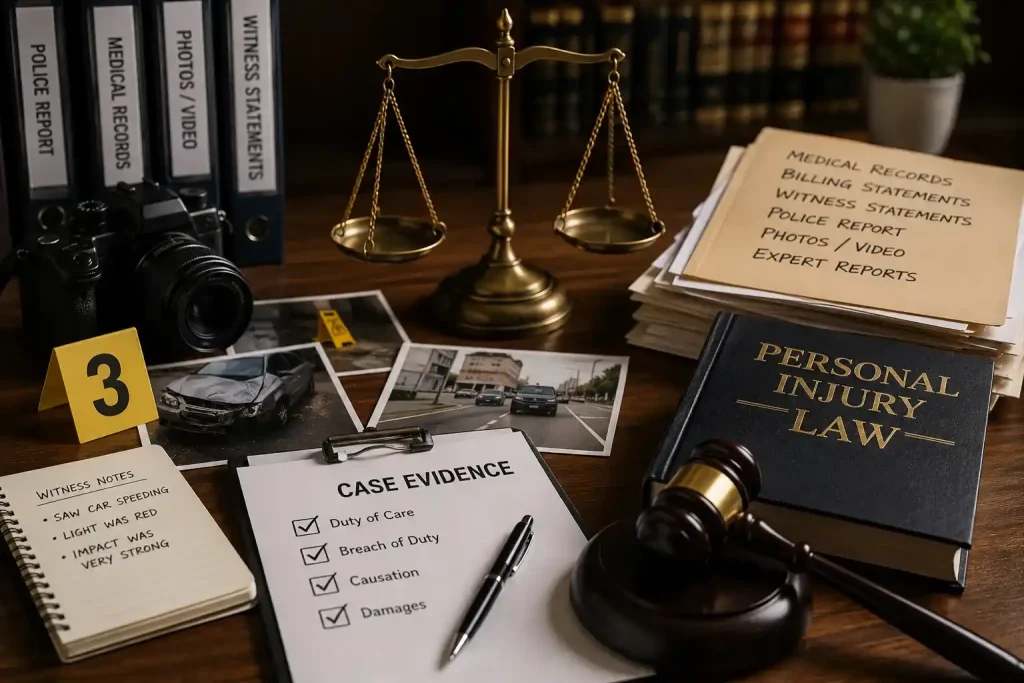
Every claim begins with a duty of care. Drivers must obey traffic laws. Property owners must address hazards they knew, or should have known, existed. Healthcare professionals must meet accepted standards of care. Attorneys identify the rule in force at the moment harm occurred. That rule becomes the measure by which conduct is judged.
Breach of Duty
A breach occurs when conduct falls below the required standard. Speeding, texting while driving, ignoring a spill, or leaving a stair rail loose can create preventable danger. Lawyers compare what happened with what is reasonable under similar conditions. That comparison gives insurers, judges, or juries a clear basis for assigning blame.
Causation
Fault does not carry a claim by itself. Attorneys must connect unsafe conduct to the injury. Medical records, impact patterns, photographs, and physician opinions help prove that connection. Defense counsel may blame age, prior pain, work strain, or unrelated disease. Strong causation proof answers those claims with dates, findings, and treatment patterns.
Damages
Liability has practical meaning only when losses are documented. Attorneys collect bills, wage records, repair estimates, prescriptions, and therapy notes. Pain journals may explain sleep disruption, mobility limits, or reduced daily function. Future care can require medical opinions and financial projections. Clear damage proof translates harm into reviewable numbers.
Scene Evidence
Photos can reveal details that reports leave out. Skid marks, glass patterns, lighting, weather, floor hazards, warning signs, and vehicle positions may all matter. Attorneys may visit the location or send investigators. Prompt action matters because spills get cleaned, roads change, and security footage may be deleted within days.
Video And Photos
Video can resolve disputes that statements leave open. Business cameras, traffic systems, doorbell devices, and dash cameras may capture key moments. Attorneys send preservation letters before footage disappears. Still images also show bruising, property damage, debris, and unsafe conditions. Each visual record helps strengthen the timeline.
Witness Statements
Neutral witnesses often carry weight because they have no financial stake. Attorneys contact them quickly and ask precise questions. What did they see first? Where were they standing? Did anyone admit fault? Early statements reduce confusion later. Consistent accounts can make settlement talks more focused.
Expert Support
Some claims need a technical explanation. Accident reconstruction specialists may assess speed, braking, angles, and impact force. Engineers can inspect stairs, railings, products, or work sites. Medical experts explain diagnosis, treatment, impairment, and long-term limits. Their job is to turn specialized findings into clear opinions grounded in accepted methods.
Comparative Fault
Many states allow shared blame. An injured person may still recover compensation, though the percentage of fault may reduce the payment. Attorneys challenge unfair blame with records, photographs, expert reports, and witness accounts. Careful proof can protect the claim’s value when insurers argue that the injured person contributed to the event.
Insurance Tactics
Insurers often test weak points before paying. Adjusters may request recorded statements, broad medical releases, or quick settlements. Attorneys review those requests and protect private information. They also compare offers with actual losses. A low offer may exclude future care, lost wages, or pain that persists after initial treatment.
Medical Proof
Prompt care supports both recovery and evidence. Delays give insurers room to question severity. Attorneys organize emergency records, imaging results, referrals, therapy notes, and specialist reports. Consistent treatment matters because it shows how symptoms developed over time. Clear medical proof helps link the event to lasting impairment.
Negotiation And Trial
Most claims settle, but preparation should meet trial standards. Attorneys organize exhibits, prepare witnesses, calculate losses, and respond to defenses. Strong preparation shows the claim can withstand court review. That pressure may support fair negotiation without filing suit, though some cases still require litigation.
Conclusion
Proving fault and liability requires more than merely alleging that someone caused an injury. Attorneys must show duty, breach, causation, and damages through reliable proof. They preserve evidence, interview witnesses, review records, and challenge weak defenses. Careful preparation helps injured people present claims that insurers and courts can evaluate fairly. Clear facts support stronger outcomes, especially when action begins soon after harm occurs.