How Negligence Is Proven in Personal Injury Lawsuits
Long Island, New York, is home to busy highways, crowded intersections, and active neighborhoods where daily life moves quickly. From commuters traveling the Long Island Expressway to families walking through local communities, thousands of people share the same roads, sidewalks, and public spaces every day. With so much daily movement, accidents can happen in places people usually consider routine and safe. A moment of distraction on the road, unsafe property conditions, or careless actions in public areas can lead to injuries that disrupt a person’s life without warning. When an injury occurs because someone acted carelessly, the situation often raises an important legal question about responsibility. When faced with unexpected medical bills, lost income, or extended recovery periods, many residents seek to understand if they could have prevented the harm.
That is where the legal idea of negligence comes into play in many injury claims. Attorneys examine the details of an incident to determine whether someone failed to act with reasonable care under the circumstances. The legal team at Chaikin Trial Group scrutinizes evidence, timelines, and witness accounts to establish responsibility following an accident.
Negligence as a Personal Injury Definition
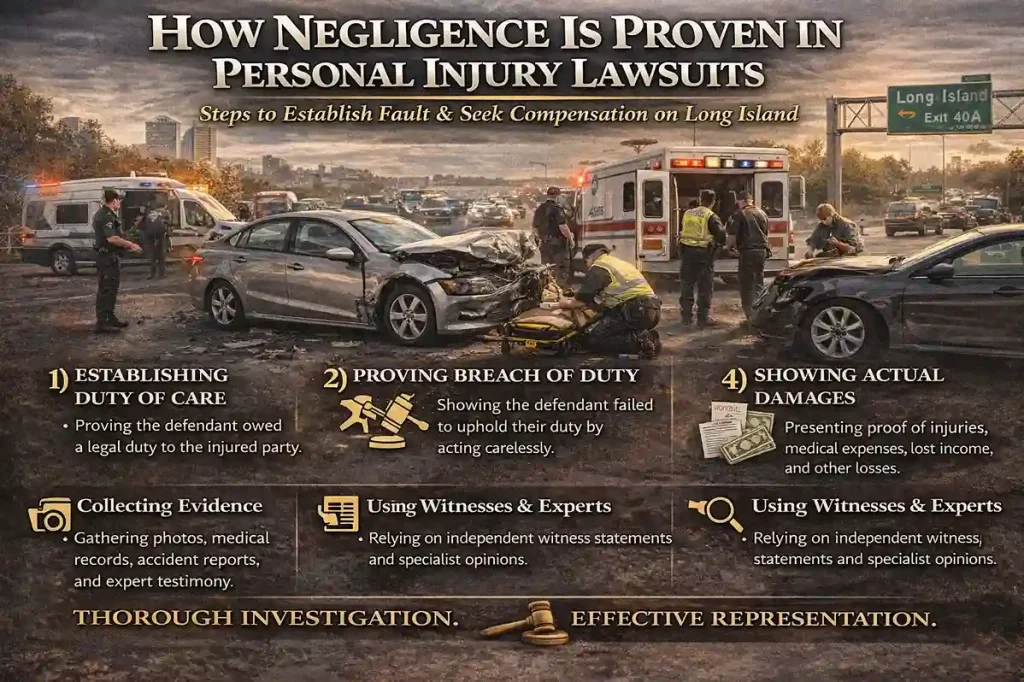
Negligence is a lack of proper care under the circumstances. That means a person acted differently than a reasonable person would have in the same situation. Legal definitions of negligence require proving that a duty of care existed and a person breached it, leading to damages.
Establishing Duty of Care
Duty of care refers to a specific behavior expected of one party , where the failure to do so could cause potential harm to another. Drivers must obey traffic laws such as speed limits to prevent potential harm caused by carelessness. The first step to establishing a personal injury claim typically involves proving that the defendant actually owed this level of duty to the plaintiff.
Proving Breach of Duty
After establishing a duty, you must prove that the defendant breached it. You can establish this using evidence such as video records, eyewitness accounts, or expert testimony. If someone were negligent about safety protocols, their conduct would imply a possible breach.
Demonstrating Causation
You would now connect the breach of duty to the resulting injury you suffered. Merely demonstrating the defendant’s negligence is insufficient. The injury must be a direct consequence of that careless behavior. This key nexus gets most frequently established through medical records, accident reconstruction, and witness statements.
Showing Actual Damages
You need to show actual harm before the court can give you a remedy. Such damages typically consist of bodily injuries, medical bills, lost income, or pain and suffering. Plaintiffs must submit paperwork like hospital documents, pay stubs, or psychological reports to prove harm incurred.
Collecting and Presenting Evidence
The strength of any personal injury case is its evidence base. Images from the scene, medical records, and police reports can support a claim. Expert testimony, such as that of a doctor or an engineer, may clarify complex matters to a judge or jury.
The Role of Witnesses
Independent witnesses can provide helpful statements about an incident. They might also provide information about what happened, who the incident involved, and how the injuries occurred. These accounts now play a major role in how judges and juries piece together the big picture.
Expert Opinions and Their Impact
At times, an expert explanation is necessary because technical or medical details need unraveling. These experts can help clarify the technical or medical details related to how your accident occurred or how your injury developed. This lends credence to the plaintiff’s allegations and can have a crucial impact on the outcome of the case.
Comparative and Contributory Fault
Not every case is straightforward. The court may also find that both parties are to blame for an event. In some jurisdictions, the doctrine of comparative fault applies, which means that the plaintiff’s compensation gets reduced by the percentage of responsibility shared. Contributory fault is applicable in other jurisdictions, meaning that if the plaintiff is partially at fault, they will not receive compensation.
The Importance of Timeliness
Personal injury lawsuits have strict deadlines. If you miss the timeframe to file, you may be unable to recover damages. In any case, it is important to document events and initiate appropriate legal proceedings shortly after an incident.
Documentation and Record Keeping
Proper documentation can make a considerable difference in personal injury cases. Maintaining notes about the symptoms observed, conversations with healthcare providers, and any money spent will offer a systematic history. Having organized documentation allows attorneys to create a strong case and back up any claims for damages.
Conclusion
Establishing negligence in personal injury lawsuits involves extensive steps and concrete proof. To establish a viable claim, you must establish duty, breach, causation, and damages. Proper recording and court scrutiny enhance the likelihood of plaintiffs receiving compensation for their injuries. Understanding these elements enables both personal injury claimants and defendants to proceed with confidence and clarity.