What Happens During Administrative Law Judge Hearings
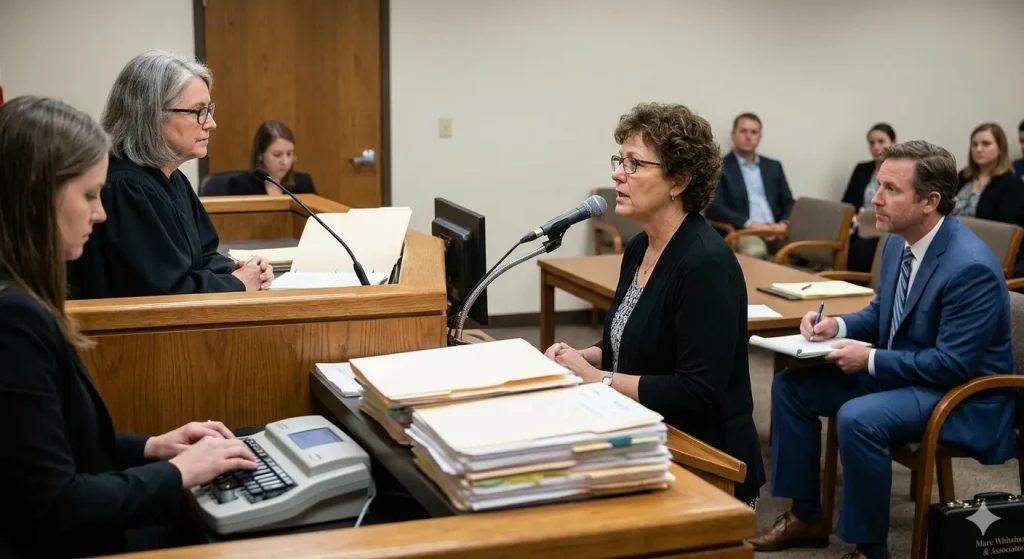
In Houston, TX, Social Security Disability claimants often find themselves navigating a crucial step long before benefits begin: the Administrative Law Judge (ALJ) hearing. At hearing offices across the city, from Houston‑Bissonnet to Houston‑North, wait times for a disability hearing typically run about 6–6.4 months, a bit faster than the national average of 8.1 months, but still a significant investment of time and patience. Approval outcomes vary by location, with Houston‑North hearings showing roughly 47% approval rates. Other local offices frequently align near or slightly below the broader Texas average of about 47% at the hearing level.
For many in the greater Houston area, preparing for this hearing means understanding what happens when you step before an ALJ and how trusted legal support can impact your experience. That’s where experts like Marc Whitehead & Associates come in and provide focused guidance through the ALJ process, from presenting medical evidence to testifying effectively on your own behalf. With deep roots in disability law and a local presence in Houston, their team helps claimants approach these hearings with clarity, readiness, and the knowledgeable advocacy that matters most when the stakes are high.
Purpose of Administrative Law Judge Hearings
Hearings before Administrative Law Judges aim to provide a level playing field for people or companies appealing a decision of a government agency. This is not like a criminal or civil court trial. The job of a judge is to weigh facts, hear arguments on both sides, and apply the appropriate law. It guarantees that no one person is above the law.
Preparation Before the Hearing
Both parties are notified in advance of the hearing date, time, and place. This gives everyone ample time in case they want to compile evidence or prepare arguments. This includes identifying witnesses and notifying them about their role, too. The two sides work before the event, exchanging documents and other evidence. This requires you to be transparent, so there are no surprises.
Arrival and Check-In
Participants will typically notify the administrative staff of their presence on the day of the hearing. The purpose of this step is to verify attendance and that all stakeholders are available. The waiting area sometimes allows for a moment to go over materials or speak with delegates. Some hearings happen in person; others may follow a remote procedure. The flow is also the same regardless of the format.
Opening Statements
The hearing will likely begin with very short opening statements from both sides. These comments also sketch out the substance of what each would like to demonstrate. The ALJ is listening to all issues raised by both parties. Openings are not places for evidence or testimony. Rather, they guide the hearing to come. It is a process that sharpens the issues in dispute.
Presentation of Evidence
After opening statements, parties alternate in presenting evidence. These claims are frequently corroborated by documents, photographs, and written records. You might also have witnesses who will have to testify and even answer questions. If you do explain something that isn’t clear or wasn’t covered by a question, the Administrative Law Judge will ask follow-up questions, if needed. Either party has an opportunity to cross-examine witnesses for the other side. The purpose of this exchange is to expose material facts and check whether what is shared is true.
Rules and Objections
Hearings before Administrative Law Judges are governed by rules, but these are usually less formal than those of other courts. The parties may object to specific questions or evidence. A judge hears all of this and rules on the merits of an objection. The rulings on the objections dictate what information comes out in the hearing. These processes ensure consistency in the process.
Closing Statements
After all the evidence has been presented, the parties give their closing statements. These are condensed versions of the arguments with an explanation of why the decision comes out in favor of one side. The Administrative Law Judge considers these arguments in line with what was heard at the hearing. Closing arguments allow you to emphasize important facts and explain lingering questions about the case.
Judge’s Decision-Making Process
After the hearing concludes, the Administrative Law Judge reviews all materials presented. This evaluation includes testimony, documents, and legal arguments. The judge applies relevant statutes and regulations to reach a decision. Sometimes, the judge may request additional written arguments or evidence. A written decision will follow, explaining the judge’s findings and conclusions.
Outcome and Appeals
A written decision setting out the outcome and the rationale is then issued to both parties. There might even be a chance to appeal the decision, in case someone disagrees with it. Appeal processes differ based on the agency. The written notice typically includes instructions on how to appeal the decision. These instructions must be reviewed closely, and anything that you need to file if an appeal is desired needs to be submitted immediately.
Conclusion
The unknown can be daunting, so knowing exactly what goes on during Administrative Law Judge hearings can alleviate some of the uncertainty and ease some of the anxiety. It has stages, each with clear steps from preparation to decision. Every step is driven by fairness and impartiality, and all voices matter. Understanding what will occur helps those involved approach these proceedings with far more confidence and understanding.