Žižole (Jujube Fruit): History, Benefits, and Modern Wellness Uses
Žižole Introduction
Among the many hidden treasures of traditional cuisine and natural medicine, Žižole—better known as the jujube fruit or red date—stands out as a fruit of both heritage and health.
Cultivated for more than 4,000 years, this small reddish-brown fruit grows on the Ziziphus jujuba tree. Originating in China and spreading across the Middle East, the Mediterranean, and Europe, Žižole has been cherished for its sweet flavor, medicinal uses, and symbolic meaning.
Today, it is enjoying a revival as a superfruit valued for wellness, nutrition, and cultural significance. Let’s explore Žižole’s history, health benefits, and modern uses in detail.
The History of Žižole
Ancient Roots
- Cultivated in China as early as 2000 BCE, Žižole was used in traditional medicine for its calming and restorative effects.
- It was consumed fresh, dried, or brewed into herbal teas.
Cultural Spread
- Traders carried Žižole across Persia, the Mediterranean, and Europe.
- Each region adapted the fruit into its cuisine—from jams in the Mediterranean to teas in Asia.
Symbolism
- In many cultures, Žižole symbolizes longevity, fertility, and prosperity.
- It is often gifted during celebrations as a token of good fortune.
What Does Žižole Taste Like?
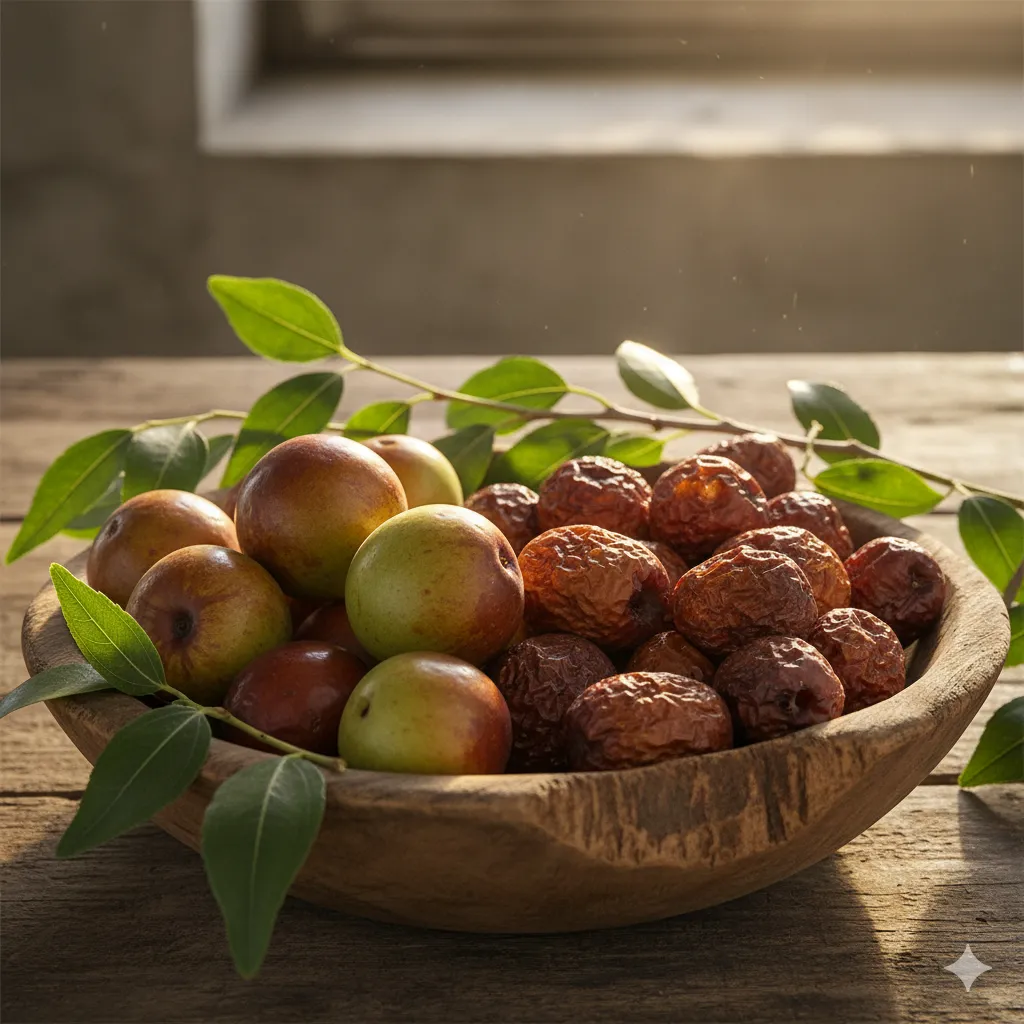
- Fresh Žižole: Crisp texture, mild sweetness, and slight tartness (like a small apple).
- Dried Žižole: Chewy, rich, and date-like in flavor.
- Processed Žižole: Made into jams, syrups, candies, or brewed teas, often with a honey-like taste.
This versatility makes Žižole both a traditional delicacy and a modern snack.
Nutritional Value of Žižole
A 100-gram serving of fresh Žižole provides:
- Calories: ~79 kcal
- Vitamin C: Rich source for immune support
- Potassium: Helps regulate heart function
- Fiber: Supports digestion
- Antioxidants: Polyphenols and flavonoids that fight oxidative stress
👉 Dried Žižole has higher calories and sugar but packs concentrated nutrients and natural energy.
Health Benefits of Žižole
1. Boosts Immunity
High in vitamin C, Žižole strengthens the immune system and reduces vulnerability to infections.
2. Supports Digestive Health
- Rich in dietary fiber, aiding digestion and preventing constipation.
- Traditional medicine often uses it for stomach soothing.
3. Improves Sleep & Reduces Anxiety
Žižole seeds and extracts are used in Chinese and Ayurvedic medicine to calm the nervous system, reduce stress, and improve sleep quality.
4. Enhances Skin and Hair
- Antioxidants fight premature aging.
- Regular consumption supports skin glow and stronger hair.
5. Strengthens Heart Health
- Potassium regulates blood pressure.
- Nutrients improve circulation, lowering the risk of cardiovascular issues.
6. Natural Energy Booster
- Dried Žižole provides quick, sustained energy—making it a favorite among students, athletes, and workers.
Žižole in Traditional Medicine
Across ancient systems, Žižole was used for:
- Treating insomnia and anxiety.
- Relieving coughs and sore throats.
- Supporting liver health.
- Improving blood circulation.
Even today, herbal teas, tinctures, and tonics often feature Žižole for its calming effects.
How to Eat and Enjoy Žižole
Fresh
- Eat like an apple.
- Slice into fruit salads for crunch.
Dried
- Snack on its own.
- Add to trail mixes, yogurt, or oatmeal.
- Use in baking breads, cakes, or cookies.
Beverages
- Brew into herbal teas for relaxation.
- Blend into smoothies for sweetness and nutrients.
Preserves & Candies
- Turn into jams, syrups, or candies.
- Popular festival treats in Asia and the Mediterranean.
Žižole in Different Cultures
- China: Known as hong zao (red date), essential in medicine and festive dishes.
- Middle East: Used in desserts, teas, and healing tonics.
- Mediterranean: Consumed dried or infused in wines and liqueurs.
- Europe: Especially in the Balkans and Italy, enjoyed as a beloved autumn fruit.
Žižole’s global presence shows its adaptability across culinary traditions.
Growing Žižole
Interested in cultivating Žižole? Here’s what you need to know:
- Climate: Thrives in warm, dry regions. Highly drought-resistant.
- Soil: Prefers sandy or loamy soils with good drainage.
- Care: Low-maintenance, making it an eco-friendly crop.
Its resilience and adaptability have allowed it to spread across continents for millennia.
Modern Uses of Žižole
Žižole is being rediscovered in the wellness industry as a superfruit. Today, it appears in:
- Nutritional supplements: Capsules, powders, and extracts.
- Skincare products: Serums and creams using its antioxidants.
- Functional foods & drinks: Energy bars, fortified teas, and healthy beverages.
This modern revival keeps Žižole relevant for health-conscious consumers worldwide.
Conclusion
Žižole is not just another fruit—it’s a living symbol of tradition, health, and longevity. From its ancient cultivation in Asia to its place in modern wellness, Žižole continues to connect cultures and nourish bodies.
Whether eaten fresh, dried, or brewed into tea, this fruit offers flavor, nutrients, and centuries of heritage in every bite.
Next time you see Žižole, remember—you’re not just tasting fruit, but embracing culture, wellness, and timeless tradition.
FAQs About Žižole
What is Žižole in English?
Žižole is commonly known as the jujube fruit or red date.
How do you eat Žižole?
Fresh, dried, brewed in teas, added to desserts, or made into syrups and candies.
Is Žižole used in medicine?
Yes, in Chinese, Ayurvedic, and Middle Eastern medicine, it has been used for insomnia, anxiety, coughs, and liver health.
Can you grow Žižole at home?
Yes, it thrives in warm, dry climates with well-drained soil and requires minimal care.