Why Landlords Can Share Blame for a Tenant’s Dangerous Dog Bite
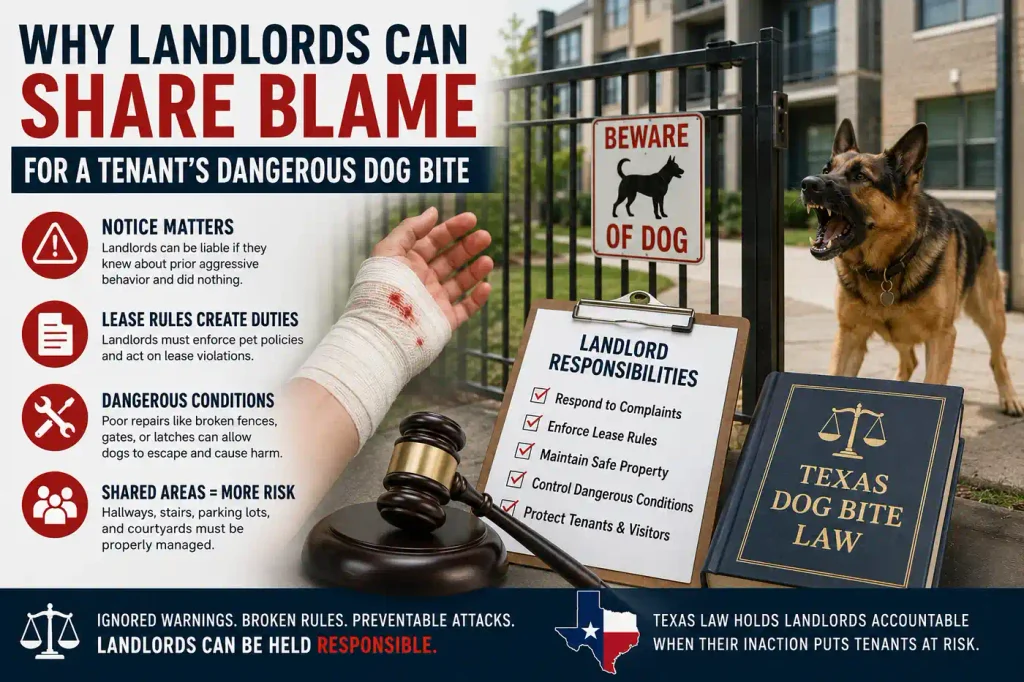
A dog bite can tear skin, damage tendons, injure nerves, and introduce bacteria deep into tissue. Some victims also develop anxiety, sleep problems, or lasting fear around animals. Responsibility may extend beyond the pet’s owner. A landlord could share fault after ignoring prior complaints, permitting a prohibited animal, or failing to repair a gate that allowed an escape. Texas claims depend on notice, control, property conditions, and proof connecting those failures to the injury.
Legal Guidance After an Attack
After an attack, injured people may need guidance from a dog bite lawyer at Texas Law Dog. A qualified attorney can examine lease provisions, complaint records, medical documentation, witness accounts, photographs, and animal control reports. That review may show whether property management knew about threatening conduct before the incident. Prompt legal support also protects important evidence, identifies possible defendants, and helps the injured person assess treatment costs, lost wages, scarring, and emotional harm.
Landlord Notice Matters
Warnings can create serious problems for a property owner. Residents may report barking, charging, snapping, chasing, or an earlier bite. Text messages, emails, maintenance requests, police records, and neighbor testimony can establish prior notice. One isolated remark may carry limited weight; repeated reports describing similar conduct present a stronger basis for arguing that management recognized a foreseeable risk.
Lease Rules Can Create Duties
Rental contracts commonly require animal registration, vaccination records, breed approval, or restrictions based on prior violence. Once an owner adopts those provisions, consistent enforcement becomes important. Management may have a duty to respond when a tenant violates those terms. Lease applications, pet addenda, inspection notes, and fee records can show whether staff approved the animal despite warning signs.
Failure to Enforce Restrictions
A landlord may face a negligence claim after knowingly allowing a prohibited or aggressive animal to remain. Staff could have issued a written violation, demanded removal, or pursued eviction. The appropriate response depends on the lease, local rules, and known facts. Still, repeated inaction may support an argument that management allowed an avoidable threat to continue near residents.
Dangerous Conditions on Rental Property
Some attacks occur because an animal escapes through a broken fence, damaged door, defective latch, or unsecured window. Landlords often control repairs involving shared structures and exterior access points. If poor maintenance gave the animal a route into a hallway, sidewalk, or courtyard, that condition may have contributed to the injury. Repair requests, inspection records, and photographs can help establish timing and responsibility.
Shared Areas Increase Concerns
Common spaces expose residents to risks that private apartments may not. Hallways, elevators, staircases, mailrooms, parking areas, and courtyards require reasonable management. A dog that repeatedly roams those locations can create danger for children, older adults, delivery workers, and visitors. Complaints about uncontrolled movement may show that staff knew residents faced contact without adequate warning or restraint.
Texas Responsibility Standards
Texas cases may involve negligence, premises liability, or laws addressing animal attacks. The proper theory depends on the dog’s conduct, prior history, property conditions, and available evidence. A claim may require proof that the animal showed dangerous tendencies or that a reasonable property manager should have recognized the threat. Filing deadlines also matter so that delay can weaken an otherwise valid case.
Evidence Can Strengthen a Claim
Victims should preserve treatment records, photographs, damaged clothing, witness details, surveillance footage, and written communications. Medical care should begin promptly, especially if punctures affect the hand, face, joint, or tendon. Animal control files may contain vaccination information, prior incidents, or quarantine records. Property managers may hold inspection logs, complaint histories, lease documents, and repair tickets that reveal earlier warnings.
Possible Compensation
Compensation may include emergency care, surgery, medication, rehabilitation, counseling, lost earnings, and future treatment. Severe wounds can also justify damages for pain, visible scarring, emotional distress, and diminished daily function. Recoverable losses depend on medical evidence and proven fault. If several parties contributed to the event, each person’s assigned percentage may affect the final award.
Defenses Landlords May Raise
Property owners may claim they lacked notice, possessed no control over the dog, or enforced rental policies appropriately. They may also argue that the tenant’s conduct alone caused the attack. Those positions require close examination. Complaint dates, inspection activity, repair delays, and staff communications can reveal whether management responded reasonably or left a known danger unresolved.
Conclusion
A landlord can share blame for a tenant’s dog bite when ignored complaints, unaddressed lease violations, defective repairs, or weak safety enforcement contributed to the attack. Liability does not arise from ownership alone. Injured people should obtain medical care, report the incident, photograph wounds, preserve communications, and record witness information promptly. Property records may reveal what management knew, when warnings arrived, and whether reasonable steps could have prevented the harm.